


Discovering the Best Uses for Tarot Card Reading
Updated: Jun 3
What Is Tarot Card Reading?
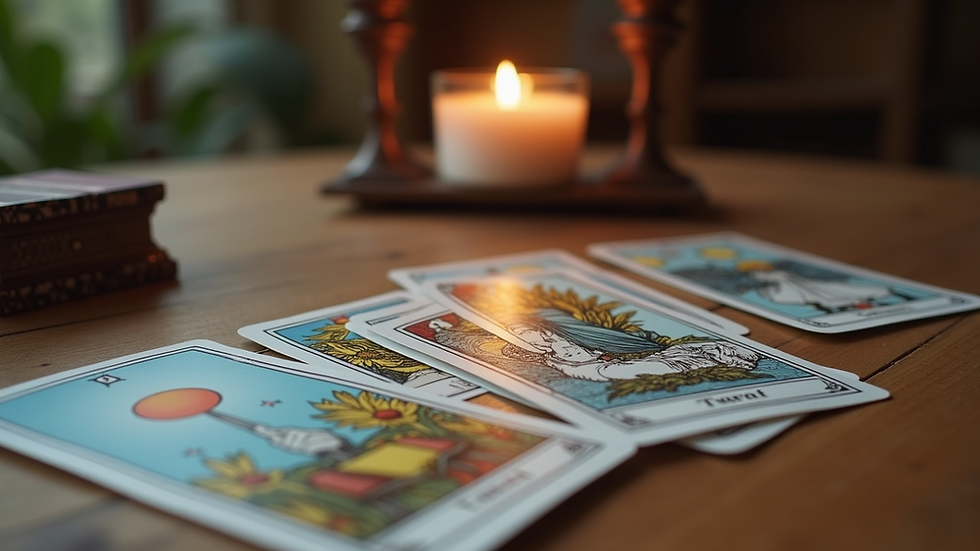
Tarot card reading involves interpreting a deck of 78 cards, each with unique symbols and meanings. Readers draw cards in specific patterns, called spreads, to explore questions or situations. The cards act as mirrors reflecting inner thoughts, emotions, and possibilities.
Unlike fortune-telling, tarot encourages self-reflection. It helps people understand their current path and consider new perspectives. This makes tarot a practical tool for anyone seeking insight into life’s challenges.
The Best Uses for Tarot in Everyday Life
Tarot’s flexibility makes it useful in many areas. Here are some of the best uses for tarot that show how it can support personal and emotional growth:
Decision Making
Tarot can clarify options when facing tough choices. For example, drawing cards about a career change can reveal hidden factors or potential outcomes, helping you make informed decisions.
Self-Discovery
Regular tarot readings encourage exploring your feelings and beliefs. This process can uncover subconscious patterns or fears that influence behavior, leading to greater self-awareness.
Problem Solving
When stuck in a difficult situation, tarot offers fresh viewpoints. It can highlight overlooked details or suggest new approaches to resolving conflicts.
Goal Setting
Tarot helps set realistic goals by identifying strengths and obstacles. It can motivate you to stay focused and track progress.
Emotional Healing
Tarot supports healing by bringing emotions to the surface. It provides a safe space to process grief, anxiety, or stress, promoting mental well-being.
How Tarot Reading Works in Practice
A typical tarot session begins with a clear question or intention. The reader shuffles the deck and lays out cards in a chosen spread. Each card’s position relates to different aspects of the question, such as past influences, present challenges, or future possibilities.
For example, a three-card spread might represent:
The current situation
The challenge or obstacle
Advice or outcome
Interpreting the cards involves understanding their symbolism and how they connect. Readers combine intuition with knowledge of the cards’ traditional meanings to provide insights.
Benefits Backed by Experience and Research
Many people report positive changes after using tarot regularly. While scientific studies on tarot are limited, research on similar reflective practices supports its benefits:
Improved Decision Confidence
Reflecting on options with tarot can reduce anxiety and increase clarity, leading to more confident choices.
Enhanced Emotional Awareness
Tarot encourages mindfulness and emotional expression, which are linked to better mental health.
Greater Self-Reflection
Using tarot as a journaling or meditation aid deepens self-understanding and personal growth.
Anecdotal evidence also shows tarot can strengthen intuition and creativity by encouraging open-minded thinking.
Tips for Getting the Most from Tarot
To experience the best uses for tarot, consider these practical tips:
Choose a Deck That Resonates
Find a deck with artwork and themes that feel meaningful to you. This connection enhances your reading experience.
Set Clear Intentions
Before each reading, focus on a specific question or area of life. Clear intentions guide the cards’ messages.
Keep a Tarot Journal
Record your readings, thoughts, and feelings. Over time, this helps track patterns and progress.
Learn Card Meanings Gradually
Start with basic interpretations and build your knowledge. Trust your intuition to add personal insights.
Use Tarot as a Guide, Not a Rulebook
Remember that tarot suggests possibilities, not fixed outcomes. Use it to explore options, not predict the future.

Common Misconceptions About Tarot
Many people hesitate to try tarot because of myths or misunderstandings. Clarifying these can open the door to its benefits:
Tarot is not fortune-telling
It does not predict exact futures but offers guidance based on current energies.
You don’t need psychic powers
Anyone can learn tarot with practice and patience.
Tarot is not tied to any religion
It is a spiritual tool that anyone can adapt to their beliefs.
Tarot readings are not scary or negative
Cards reflect reality, including challenges, but also solutions and hope.
How to Start Your Own Tarot Practice
Starting tarot reading is simple and rewarding. Here’s a basic approach:
Get a deck and guidebook
Many decks come with instructions to help beginners.
Learn one spread at a time
Begin with simple spreads like the three-card layout.
Practice regularly
Daily or weekly readings build confidence and deepen understanding.
Join tarot communities
Online forums or local groups offer support and shared learning.
Use tarot alongside other tools
Combine tarot with journaling, meditation, or therapy for holistic growth.
Exploring the Spiritual Depths of Tarot
Tarot card reading offers more than curiosity or entertainment. It provides a practical way to explore your inner world, make better decisions, and heal emotional wounds. By focusing on the best uses for tarot, you can unlock its potential as a tool for meaningful change.
Whether you seek guidance, self-awareness, or creative inspiration, tarot invites you to look deeper and connect with your intuition. Start small, stay open, and watch how tarot can transform your perspective and life!
Remember, the journey of tarot is as much about the questions you ask as the answers you receive. Embrace the process and let tarot guide you toward clarity and understanding!
For those interested in deepening their tarot practice, consider exploring workshops or online services offered by trusted sources. This can enhance your skills and expand your understanding of tarot's transformative power!


Comments